
Community Gardens Project in Tumianuma
By Walter Moora
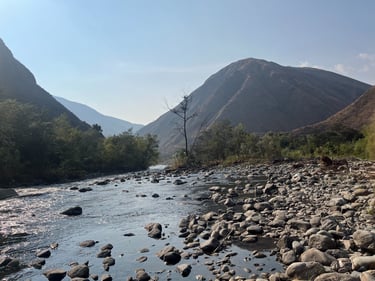
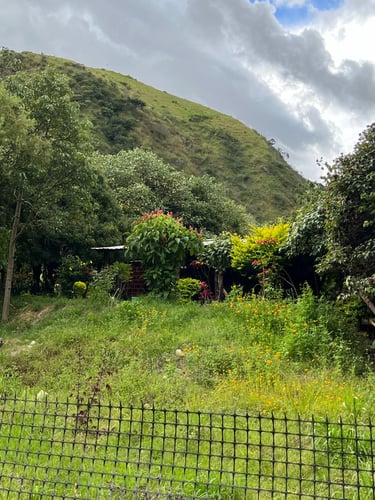
A simple innovation is quietly rolling out in Tumianuma, in the mountains of southern Ecuador. This project offers itself as a model for small groups of people to improve their villages anywhere in the world. In particular it offers a dramatic breakthrough in how money is used. Most international projects require vast sums to be spent before any results are seen. In contrast, the Tumianuma project proves that 100% of the funds can be spent only on out of pocket materials in a particular village with villagers working for free in the spirit of service. Second, the world's attention is now focused on sustainability and sustainability mainly happens within the ecology of a particular ecosystem.
Here is the story of how a little money, a grant of $13,000 is helping a small village attain food sovereignty and create a vibrant local economy.
Tumianuma is a village of about four hundred and fifty inhabitants. Like many rural communities there are not many opportunities for work and many of the youth migrate to the big cities or even foreign countries.
When the Covid pandemic hit in 2020 things turned really bad for many families. There was no work and people had to rely on gifts of food, often donated by the foreigners from nearby communities.
I was one of the foreigners who lived close by. Here is the story of how it has impacted my life as well.
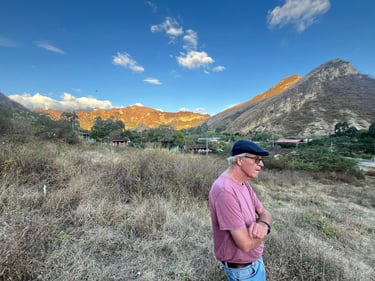
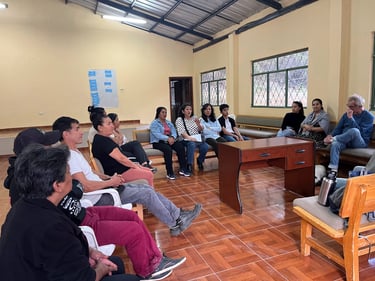
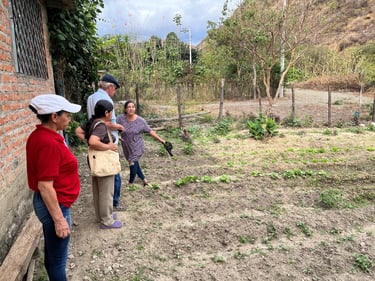
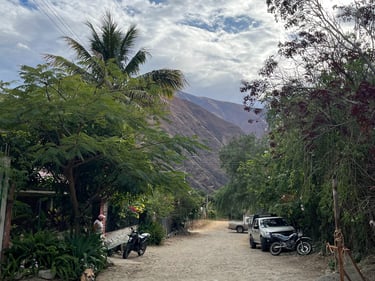
When the covid pandemic was at its worst, Ecuador was pretty shut down. For instance, I could only drive on Tuesdays between 8 am and 2 pm. At that time, I was part of Finca Sagrada, a small community farm. We had eighteen people on the farm and I had to do all the shopping. This was not even enough time to do my banking and shopping.
It was much worse for our neighbors in Tumianuma. They could not work and had no money to buy food. Luckily they did receive gift baskets of food from the neighboring village of Vilcabamba, which is a haven for expats.
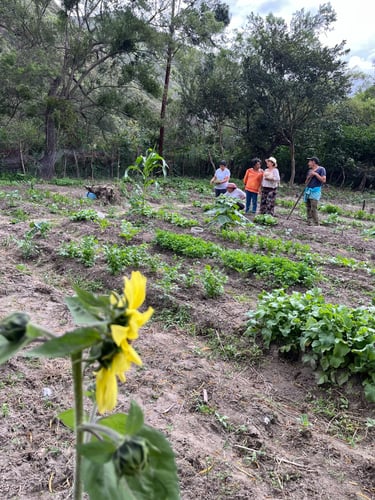
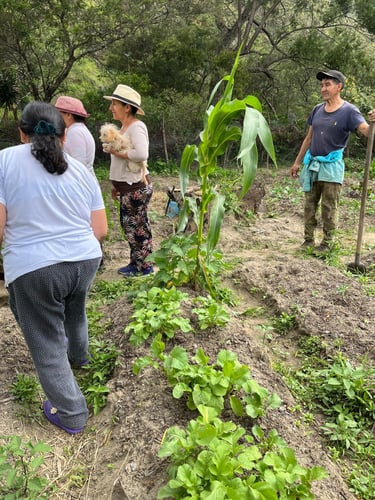
Then one day, a group of women asked if I would help them recreate their gardens. Only fifty years ago Tumianuma had no road access. People walked across the mountains with their burros to carry supplies. They were practically self-sufficient. In fact it was only in the 1960s when the Ecuadorian Agricultural reforms were enacted, that slavery was abolished.
So I was surprised when they asked for my advice. Times have changed. In the old days people had huertas (gardens) where they grew their vegetables, fruits and maybe even kept a cow or goats. The diets were very healthy, in fact our area is known as one of the healthiest in the world, with many people reaching over one hundred years.
Not anymore. People love white rice, pasta, bread and other processed foods. All imported from the cities. However, there is knowledge that all this, plus that chemical food is unhealthy is changing people's awareness. The infrastructure to grow food has also disappeared.
It's been a bit of a slow process to get the gardens going. Life gets in the way. Susan, my late wife, had Alzheimer's and passed December 2024. That was pretty all consuming. It was also difficult finding a grant to support our work. Kinship Earth https://www.kinshipearth.org a not for profit that specializes in Flow funding gave us a grant for $13,000. This allowed us to move forward.
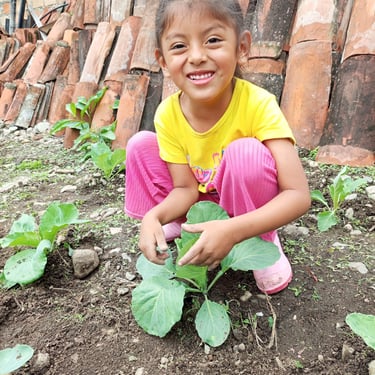
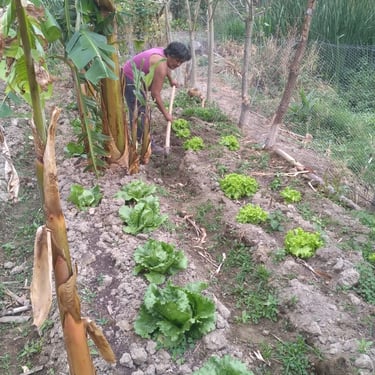
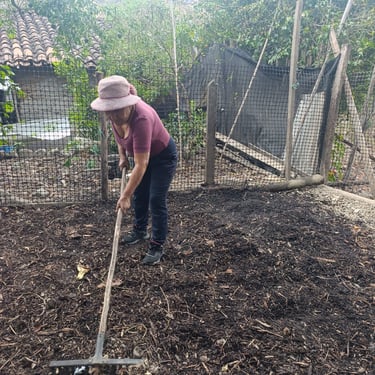
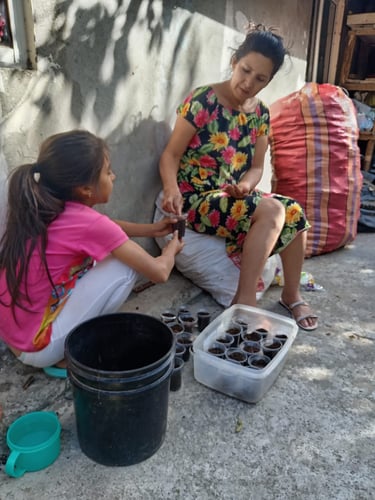
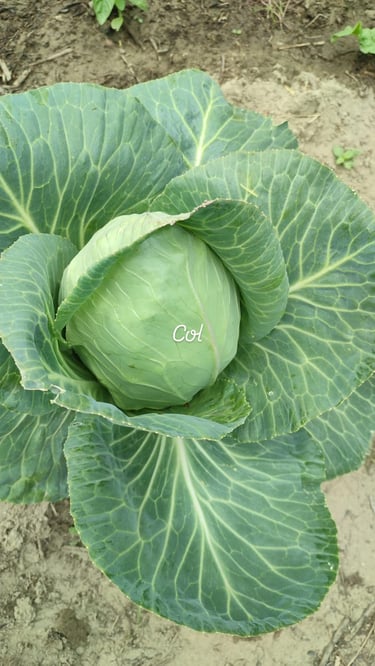
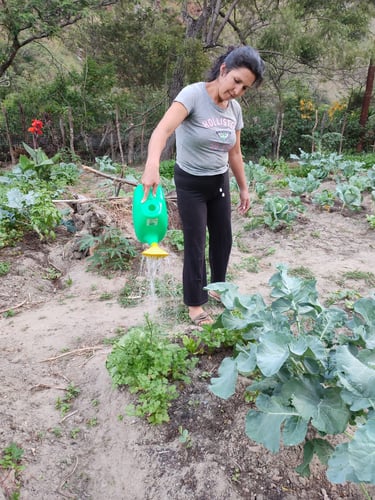
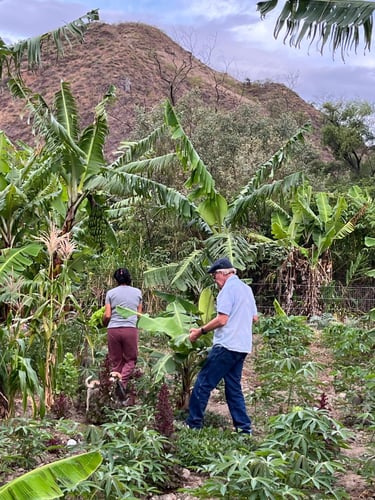
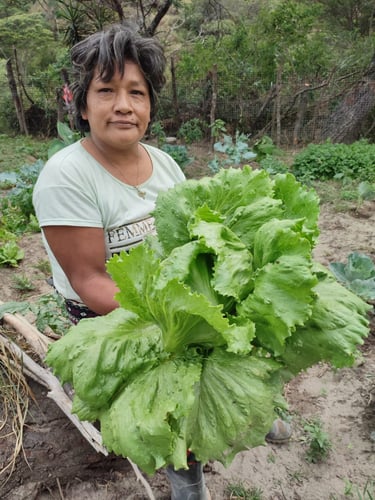
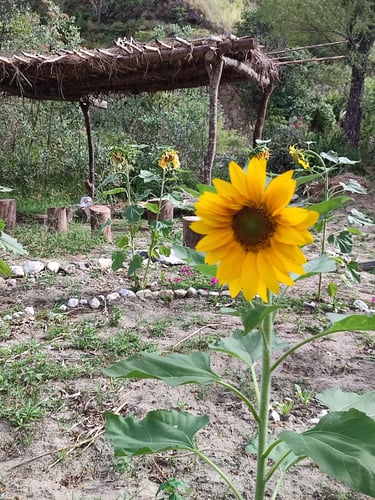
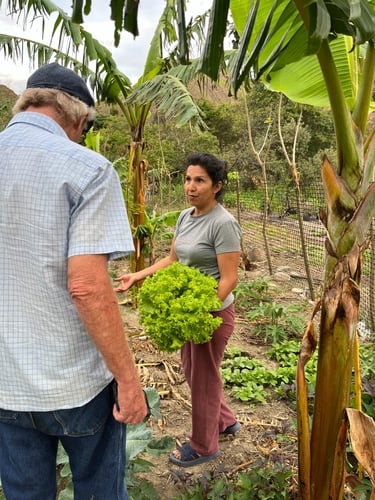
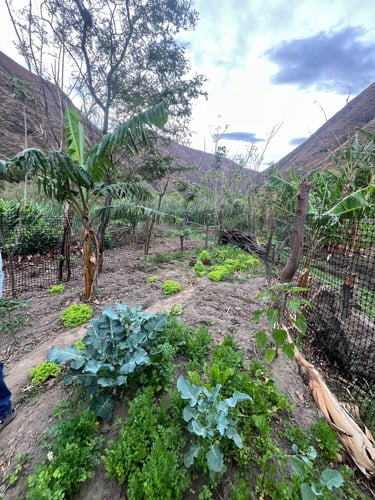
Now we have about thirty backyard gardens in our small community. On average each garden received about $200. This has paid for chicken-proof fencing, irrigation equipment, some compost and seeds. Many of the women are older and cannot do the heavy work like fencing or making the beds. Therefore many received enough money to pay one or two days of wages. Farm workers receive about $20 a day. Quite affordable.
We do have some community expenses. We are buying some truckloads of goat manure, bogasa (sugar cane stalks) and other materials to make lots of compost. This will be shared amongst the gardens. In addition, Tumianuma is short on water. There is a water canal about 1,000 meters away and we have permission to use that. We will invest in tanks and a two inch hose.
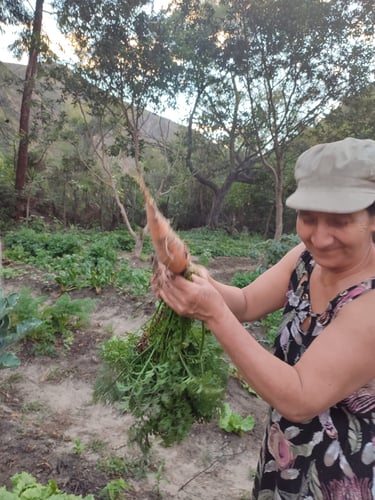
One of my friends complained that we could buy a lot of vegetables for $13,000. But I worked it out. This is one of the best investments that could be made. If you spread the cost over five years that comes to $2,600 per year. Divide that by thirty gardens, that comes to a bit less than $90 or $1.70 per week per garden. Each household will harvest way more than that every week. And it will be healthy.
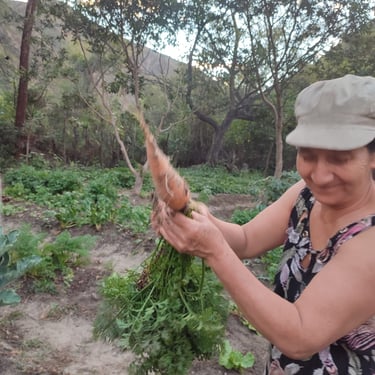
This project is way more than growing vegetables. Many of the women in this rural community have time on their hands. This empowers them to start the process of taking more control of their lives. When they show me their gardens, they have so much pride and joy. They have created whatsapp groups and share information about growing food and also just about life. At times like Christmas they send each other messages of good will and blessings.
To tell you the truth I am amazed at their intelligence, hunger for knowledge, and at the same time humble goodwill. Quite a few of them are well educated, with degrees, but have decided to stay in this rural community.
The community is not perfect. There are some interpersonal squabbles that we are trying to work through. I also realized that I need to live in Tumianuma to be close to this project and give guidance. But it is forcing me to improve my Spanish. That's good as I have lived here for twenty years. It’s time for me to integrate into Ecuador rural life.